
Research Interests
I am an applied microeconomist specializing in labor and social economics.
My research interests include inequality and intergenerational mobility, with a regional focus on Russia, China, and the United States.
I am on the 2026–2027 academic job market.
Job Market Paper
Class Mobility in the Era of Rising Inequality: A Synthetic Dynasty Analysis (with Geoffrey T. Wodtke, Weiqi Wang, and Steven N. Durlauf). 🔗 NBER WP
Abstract
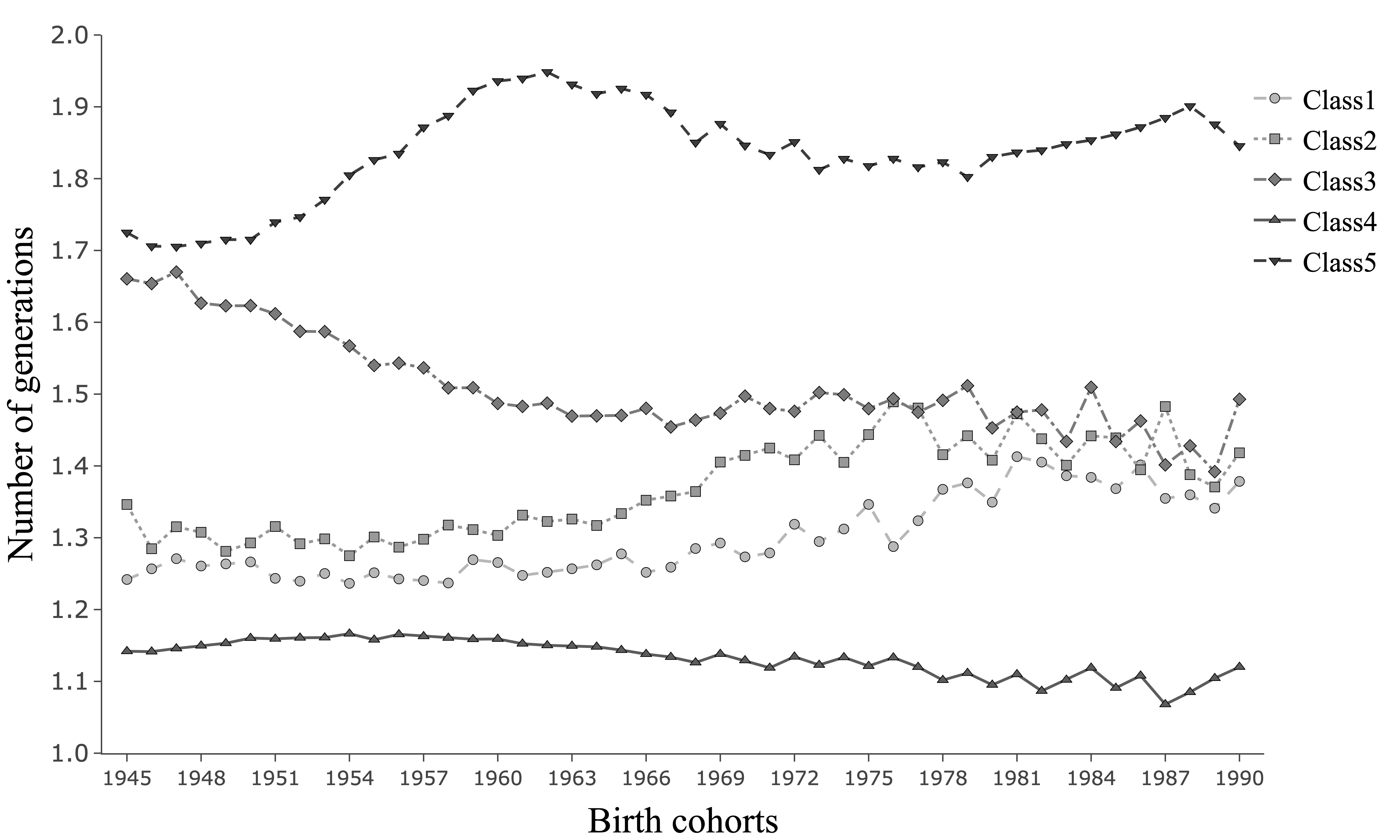
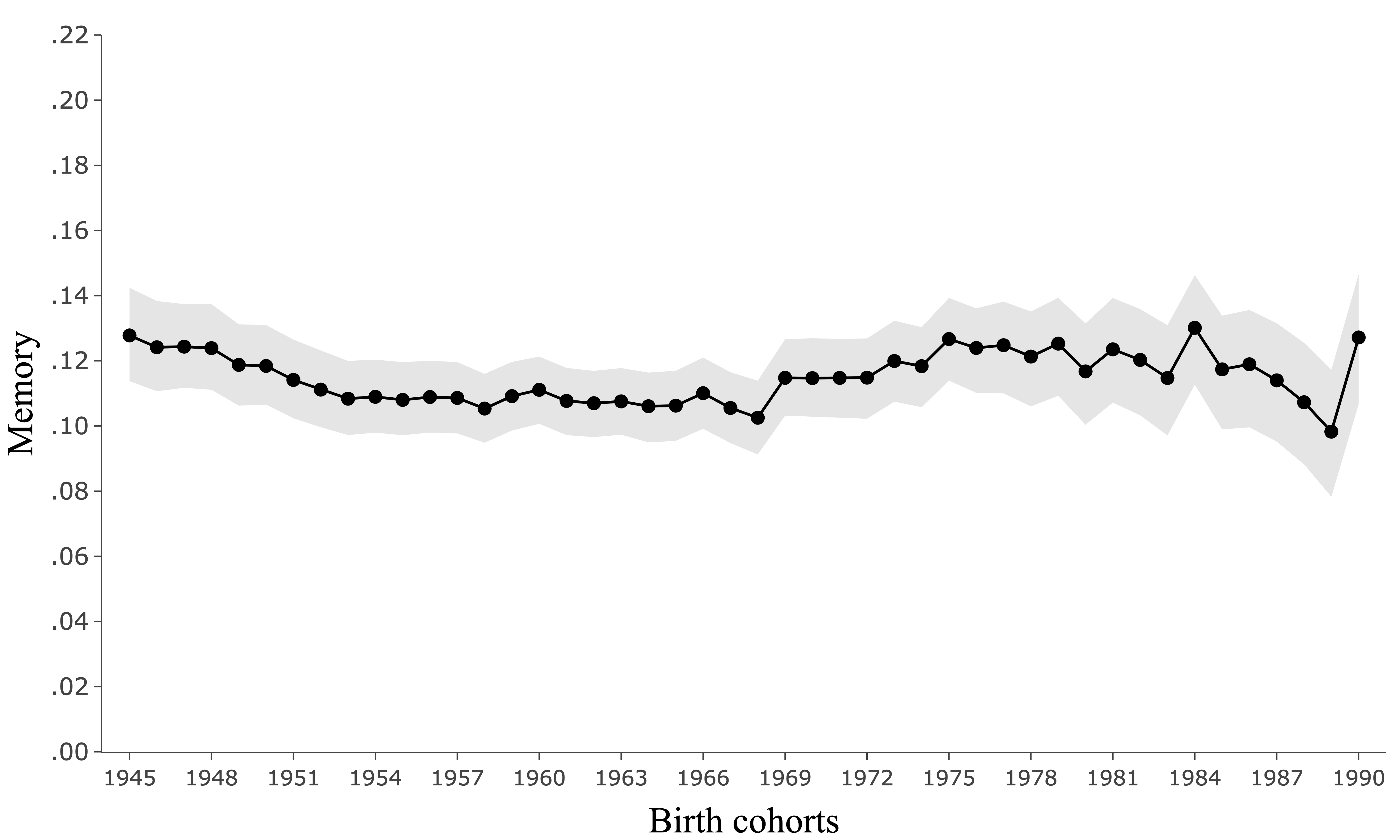
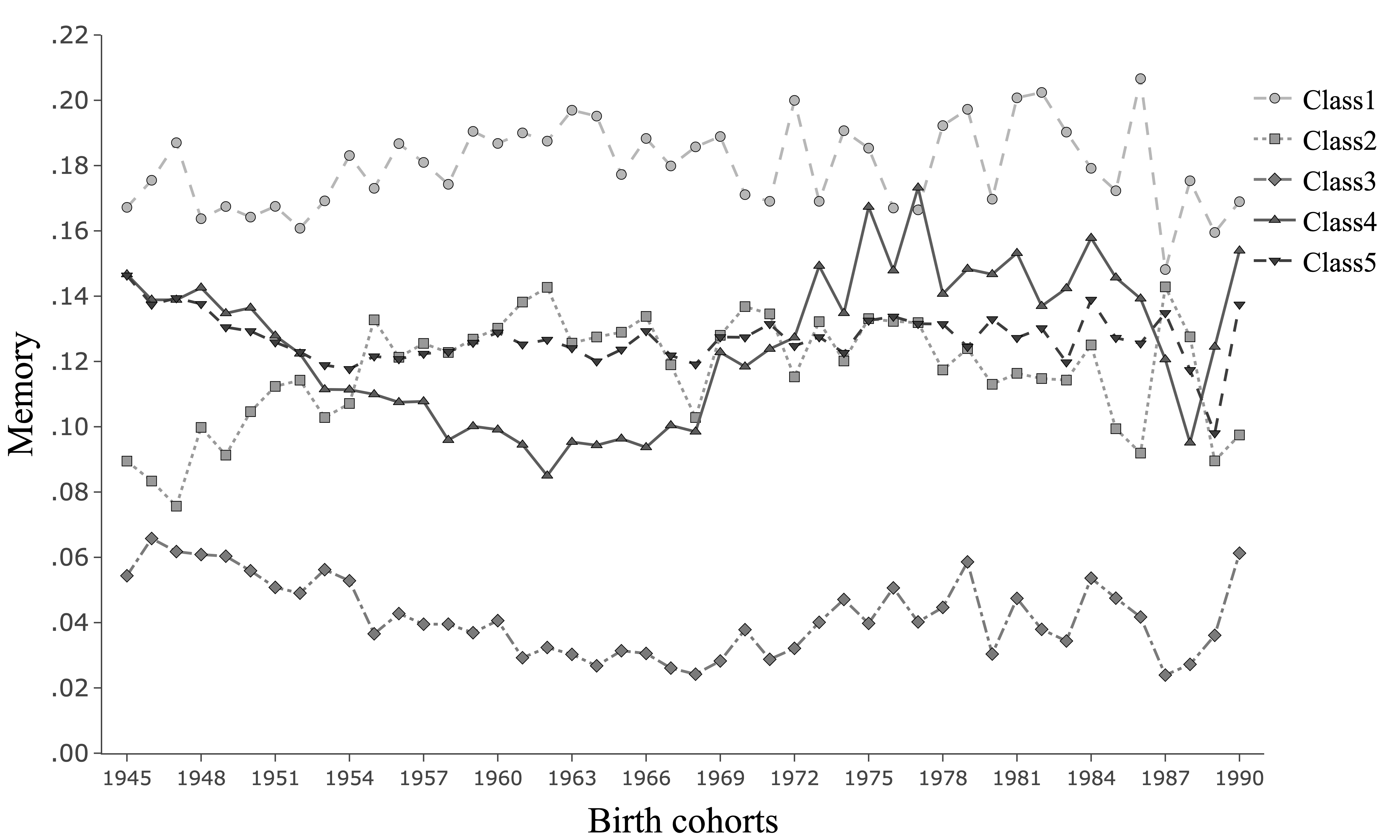
Widely regarded as a barometer for equality of opportunity, intergenerational mobility has attracted renewed attention amid concerns that it has declined in the wake of rising economic inequality since the 1970s. Although earlier research documents stability, or even modest increases, in mobility among cohorts who entered the labor market before this period, evidence for more recent cohorts is limited and inconsistent. In this study, we analyze contemporary trends in class mobility using a new approach based on the "synthetic dynasties" represented in Markov chains. This approach yields several novel measures of movement and memory, which respectively capture how class positions differ from one generation to the next and how the influence of class origins dissipates across generations. Applying these methods to data from the U.S., we find that overall levels of movement and memory have remained largely stable across cohorts born between 1945 and 1990. This stability, however, masks offsetting class-specific trends. Among those from the upper and lower classes, movement has declined and memory has increased. In contrast, among the middle classes, movement has risen and memory has weakened.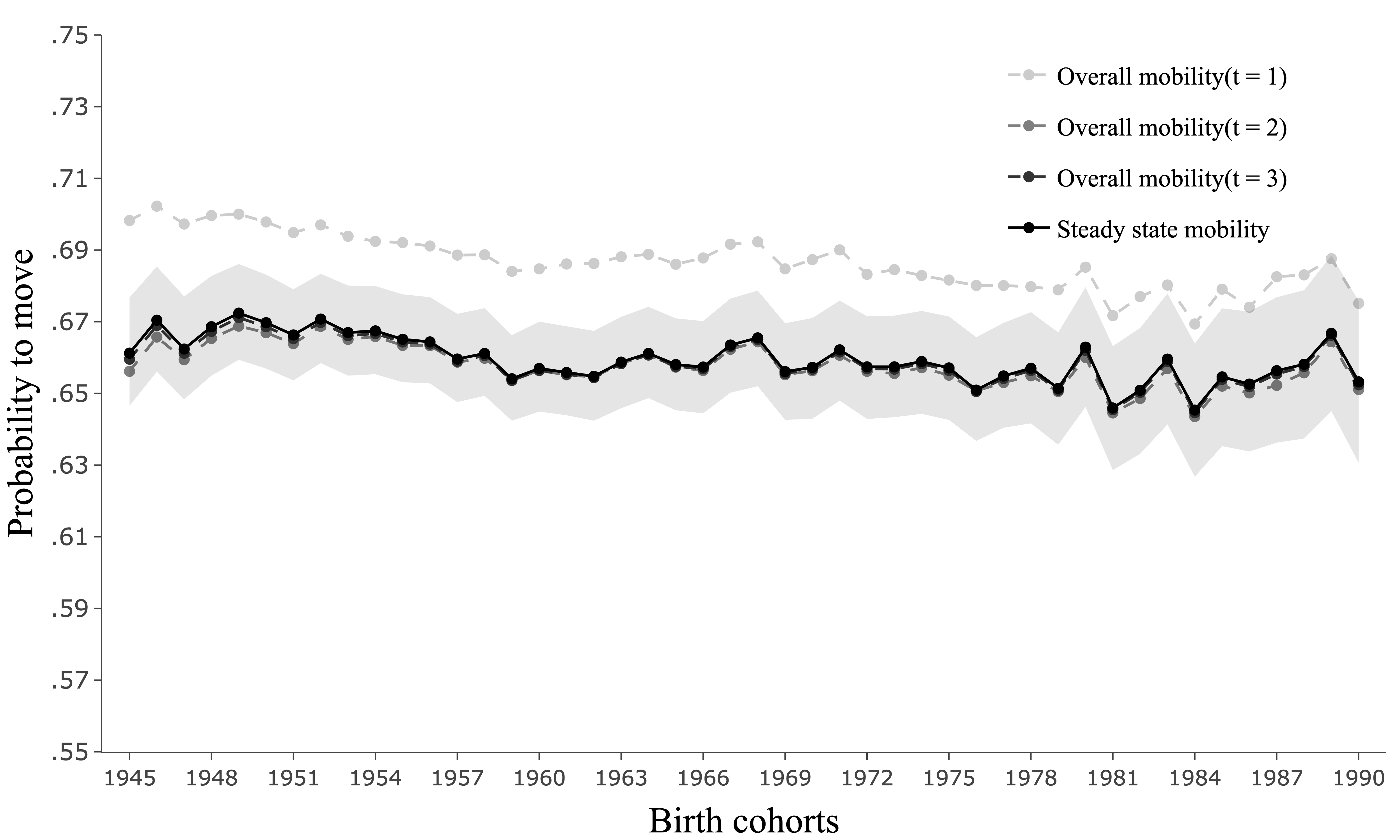
Media
- Has Class Mobility in America Really Changed? New Research Finds a Complicated Answer. (2026, March 26). UChicago News. URL🔗
Journal Articles
- A Tale of Two Transitions: Mobility Dynamics in China and Russia after Central Planning (with Lian Chen, Steven N. Durlauf, and Albert F. Park), Journal of Applied Econometrics, 1–22, 2026, https://doi.org/10.1002/jae.70085.
🔗 NBER WPAbstract
This paper examines intergenerational mobility in China and Russia during their transitions from central planning to market systems. We consider mobility as movement, measured as changes in status between parents and children. We provide estimates of two key mobility measures: overall mobility, which captures total intergenerational movement including the effects of changing class distributions across generations, and steady-state mobility, which captures the long-run mobility intrinsic to the intergenerational process once the class distribution has stabilized. We further decompose overall mobility into structural and exchange components. We find that China exhibits more overall educational mobility than Russia, mostly due to greater structural mobility, while Russia exhibits greater steady-state educational mobility. Overall and steady-state occupational mobility are similar in China and Russia. Comparing these results to the US, we find that educational steady-state mobility is substantially lower in China than in both Russia and the US, with Russia being the most mobile, but occupational steady-state mobility is comparable across all three countries.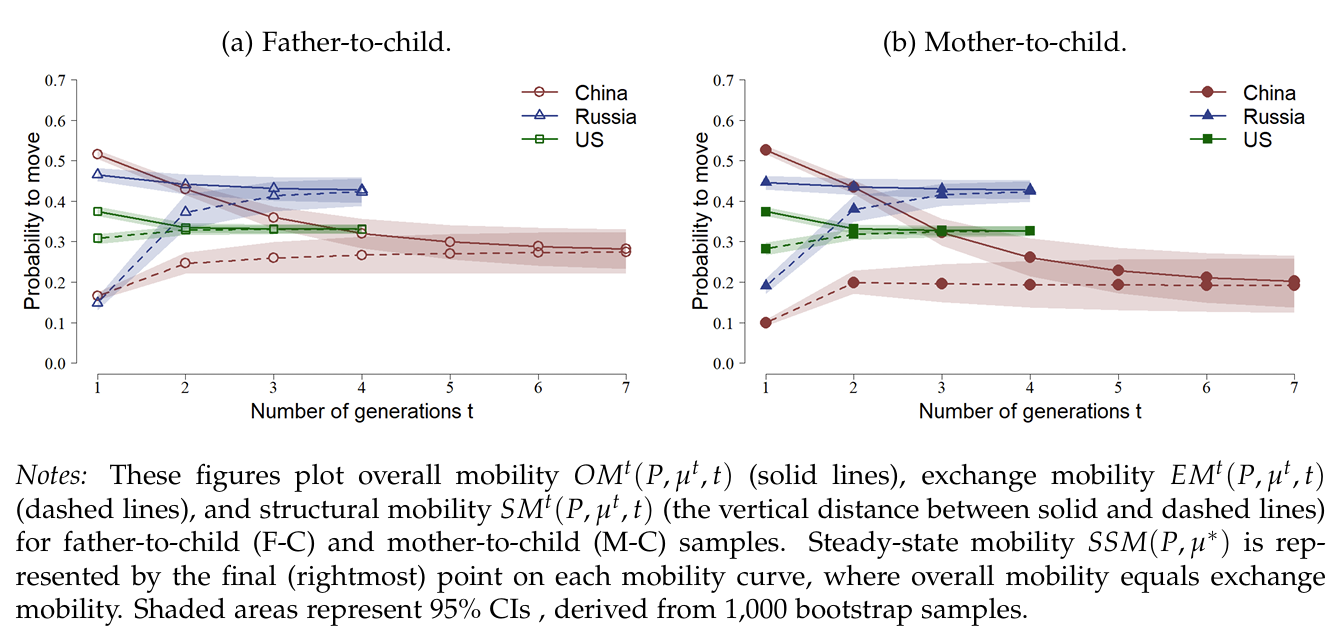
Figure 9: Dynamics of overall, structural, and exchange educational mobility. 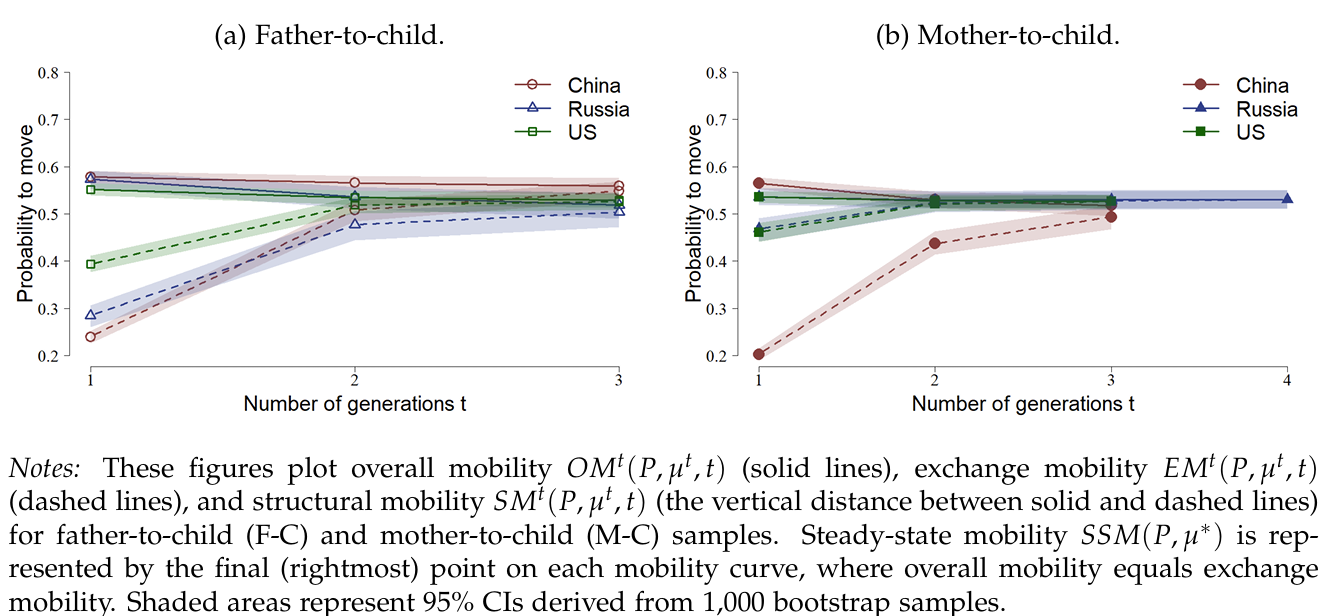
Figure 16: Dynamics of overall, structural, and exchange occupational mobility. Media
- How China and Russia's economic transitions reshaped generational mobility. (2025, December 5). UChicago News. URL🔗
- A Tale of Two Transitions: New Harris Research Unpacks Intergenerational Mobility in China and Russia. (2025, September 16). The University of Chicago Harris School of Public Policy. URL🔗
- A Tale of Two Transitions: Mobility Dynamics in China and Russia after Central Planning. (2025, September 3). Becker Friedman Institute for Economics at University of Chicago. URL🔗
- Shifting Generations: How Market Reforms Changed Social Mobility in China and Russia. (2025, October 8). Devdiscourse. URL🔗
Working Papers
- Intergenerational Mobility in Late Qing Dynasty: Evidence from Northeast China (with Steven N. Durlauf and Alexander Shapoval), under review. 🔗 NBER WP
Abstract
This paper examines intergenerational mobility across social classes during the late Qing dynasty employing a remarkable data set from Liaoning province in Northeast China. We identify two distinct epochs with markedly different mobility dynamics. Before 1850, mobility patterns exhibited stability and convergence toward a steady state. The second epoch, beginning around 1850, was characterized by unstable intergenerational class dynamics that persisted until the dynasty’s collapse. The transition between epochs coincides with the Opium Wars and Taiping Rebellion, demonstrating how the footprints of major crises in the late Qing era can be traced in mobility dynamics. Employing Markov-chain measures and two alternative mobility concepts—the persistence of class origin across generations and intergenerational class movement—we document that intergenerational mobility increased over the period. However, this aggregate increase masked a decline in upward mobility alongside a rise in downward mobility—disparate patterns that resonate with broader theories of political instability.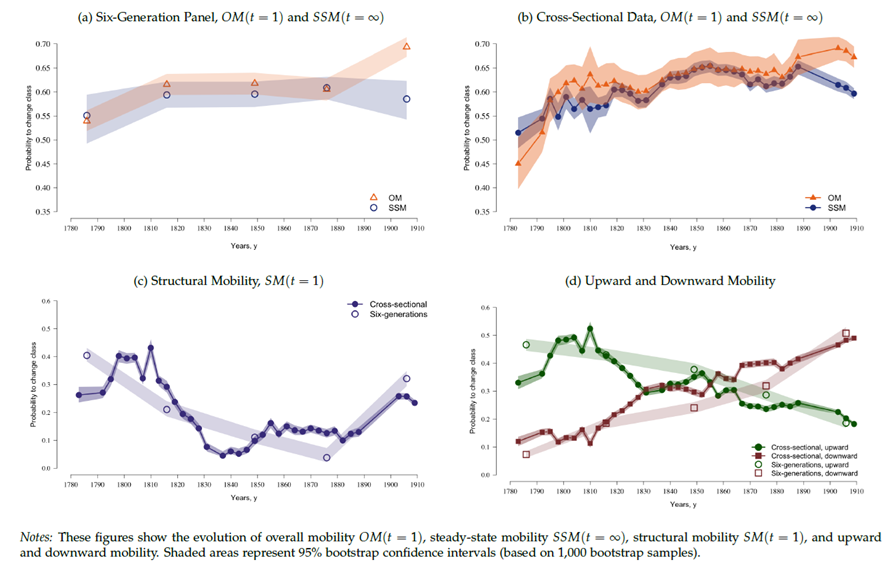
Figure 4: Dynamics of the Probability of Changing Class. 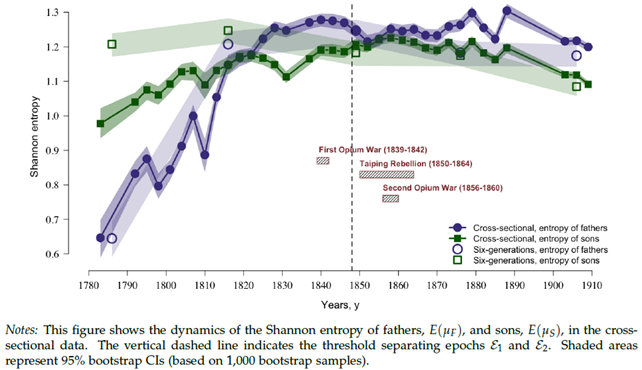
Figure 7: Dynamics of the Shannon Entropy: Cross-Sectional Data. Media
- 【量化历史研究】从向上流动到向下坠落:晚清社会的阶层流动. (August 16, 2026). 量化历史研究. URL🔗
- Income Inequality in Chinese Provinces: The Role of Human Capital (with Albert F. Park), under review. 🔗 SSRN WP
Abstract
In this paper, we conduct the first systematic empirical analysis of income inequality in China at the provincial level. Using data from the China Household Finance Survey (CHFS) and a semiparametric distribution model, we estimate Gini indices for Chinese provinces in 2012, 2014, 2016, and 2018. We find that differences in the "prices" and "quantities" of human capital are strongly associated with differences in inequality between provinces. Our findings suggest that poor provinces are highly disadvantaged compared to rich provinces, as they face higher income and educational inequality, as well as a higher premium for completing high school, while at the same time exhibiting lower average educational attainment. We conclude that the reduction of existing interprovincial human capital gaps and the acceleration of labor market integration through appropriate government policies could be associated with lower spatial disparities in inequality levels across regions and lower overall income inequality in China.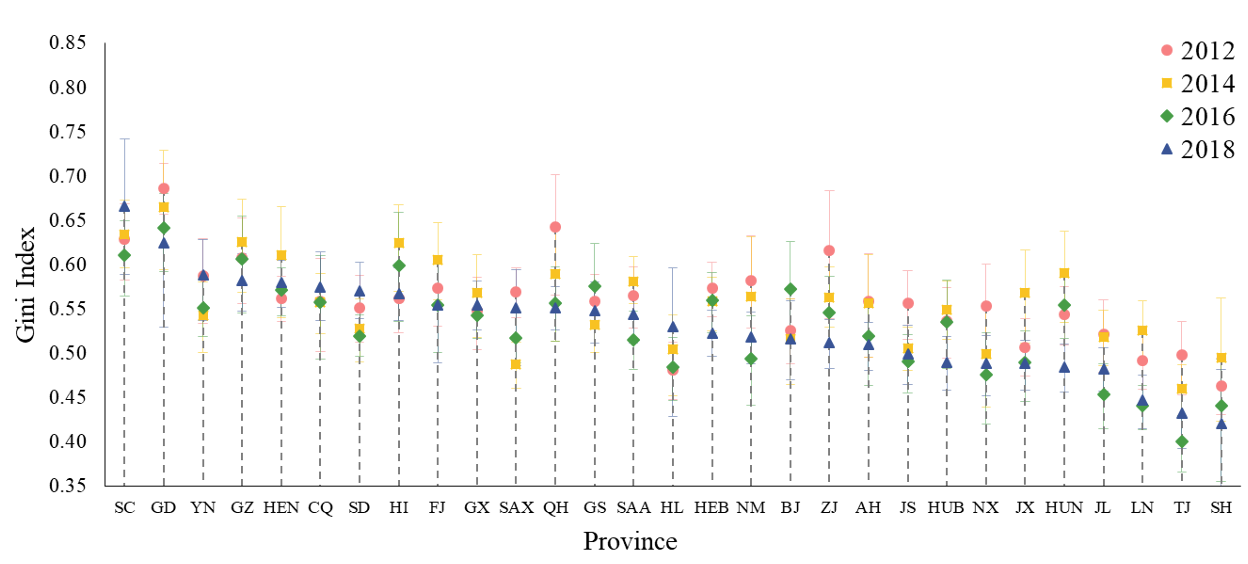
Figure 1: Gini index in Chinese provinces. 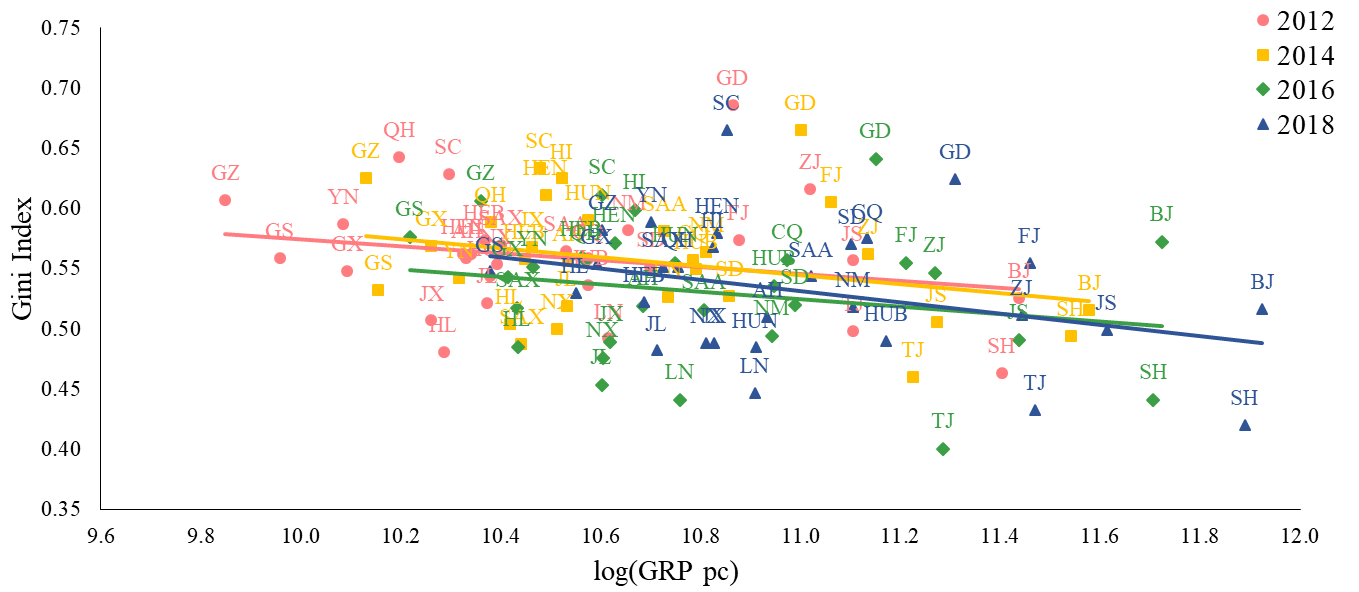
Figure 3: Gini index and log(GRP pc) in Chinese provinces. - Taming the Tail: Sparse Top Incomes and Inequality Measurement in China, 2012–2018, under review (previously circulated as “Income Inequality in China, 2012–2018: A New Measurement Approach”). 🔗 SSRN WP
Abstract
This paper applies new measurement procedures to the data from the China Household Finance Survey (CHFS) to estimate income inequality in China from 2012 to 2018. In this study, I also examine rural-urban and regional disparities in China, as well as income inequality in five provinces (Shanghai, Guangdong, Liaoning, Henan, and Gansu). The proposed estimation method aims to account for the sparse influential observations of the top income earners in the survey data and involves two main attributes. First, to approximate income distribution, I use a semiparametric density model, consisting of a nonparametric kernel density approximating the bulk and a Generalized Pareto Distribution (GPD) top tail. Second, to fit the parameters of the GPD, I suggest utilizing a Maximum Penalized Likelihood Estimator (MPLE) with a beta penalty function tuned to model the top income distribution. The results yield estimates of the Gini index in China of 0.616 in 2012, 0.604 in 2014, 0.581 in 2016, and 0.590 in 2018. These estimates are higher than those obtained by applying the same estimation procedures to the data from the China Family Panel Studies (CFPS) in a supplementary analysis in this paper. Nevertheless, the results are consistent with the Gini index estimates from the previous literature that relied on top income adjustments. Moreover, they are substantially higher than typical estimates, which are solely based on the household survey data.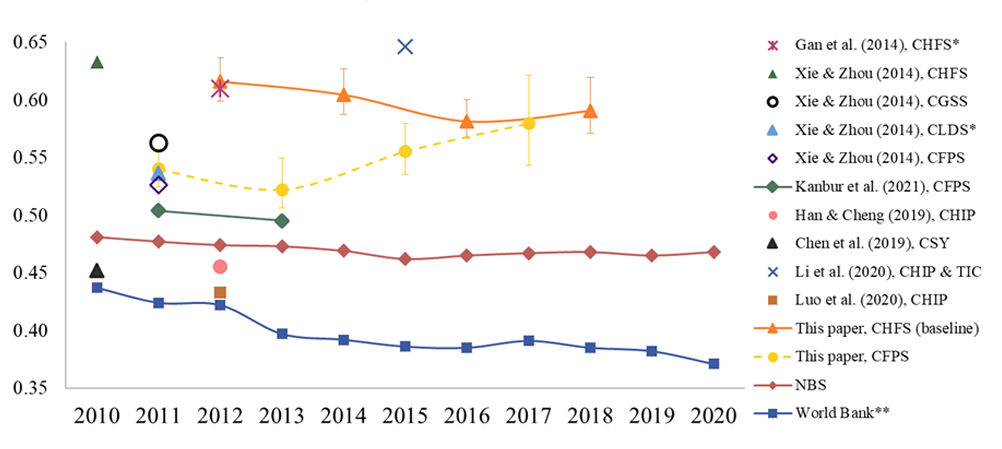
Figure 3: Gini index in China.
Work in Progress
- Different Metrics, Same Objective? Understanding the Ways Economists and Sociologists Measure Intergenerational Mobility (with Steven N. Durlauf), In Handbook of the Economics of Intergenerational Mobility.
Abstract
This chapter provides an overview of measures of intergenerational mobility that have been developed in the economics and sociology literatures, using some standard stochastic processes to unify the many mobility statistics employed by social scientists. We classify broad measurement concepts and frameworks used to study intergenerational mobility, outlining their theoretical foundations and empirical applications. While regression and Markov chain models receive primary focus, we also consider newer methods such as trajectory-based mobility analysis and nonlinear models. Particular attention is given to the ways in which scalar mobility measures preserve or lose information relative to general characterizations of the probability distributions of adult outcomes conditional on features of their childhood and adolescence. - Income Mobility and Public Goods: Evidence from Chinese Provinces.
Abstract
In this paper, I extend the Bergstrom, Blume, and Varian (1986) mo model of voluntary provision of public goods so that individuals also care about income mobility when deciding on their private contributions. To address this feature I incorporate an additional term in the individual utility function. This term accounts for the expected change in the distance between an individual's income rank and the mean income rank across time periods. I claim that a higher degree of mobility reduces the distance to mean income rank, which scales up the individual identification with society and raises the willingness to contribute to public goods. Using the data from the China Household Finance Survey (CHFS), I estimate income mobility in 29 Chinese provinces in 2014 and 2016 and test our theoretical predictions. I find that a narrower expected gap between an individual's income rank and the mean income rank in the future, reflecting a higher level of provincial mobility, strengthens the willingness of people to pay for environmental protection. These results are robust to controlling for the effects of income expectations, income inequality, and linguistic heterogeneity. - Intergenerational Persistence in Religion (with Renato De Angelis, Steven N. Durlauf, and Weiqi Wang).
Abstract
This paper studies the intergenerational dynamics of religious affiliation in the United States across birth cohorts using General Social Survey data from 1973 to 2024. We estimate cohort-specific transition matrices from religion of origin to current affiliation and apply Markov chain measures that distinguish mobility as movement, or how often people leave the religion in which they were raised, from mobility as memory, or how much origin shapes destinations across generations. We find that overall mobility has risen significantly, but almost entirely through structural reallocation to nonaffiliation, with circulation among traditions remaining steady across cohorts. The persistence of nonaffiliation increases substantially, and it becomes faster to reach from every origin, while Catholicism and mainline Protestantism become much harder to reach; steady-state proportions concentrate on nonaffiliation and evangelical Protestantism as two poles. The aggregate memory in the system also decreases, indicating that religious origin has become less predictive of adult affiliation. These processes differ by region, sex, and especially political party, with Democrats trending toward nonaffiliation and Republicans toward evangelical Protestantism. - Income Inequality and Intergenerational Mobility in Russia (with Steven N. Durlauf and Dmitry Rudenko), In The Oxford Handbook of the Russian Economy.
Abstract
This chapter documents the evolution of income inequality and intergenerational mobility in Russia from the collapse of the Soviet Union through 2025. Income inequality followed a rise--plateau--reversal pattern: the Gini coefficient increased from 0.260 in 1991 to 0.422 in 2007, remained broadly stable for more than a decade, declined to 0.398 by 2022, and returned to 0.422 by 2025. Measured inequality varies substantially across data sources, with estimates from major Russian household surveys differing by around 0.10 Gini points in the same year. Most inequality arises within rather than between regions, settlement types, and groups defined by education and occupation: differences in mean income account for 14--24% of total inequality across regions, 5--10% across the urban--rural divide, and 9--17% across education and occupation groups, declining to 7--12% in 2023--2025. Within-region inequality is highest in Moscow and resource-rich northern regions and lowest in mid-sized industrial oblasts and several ethnic republics. Income inequality is associated primarily with labor-market attachment and labor income rather than geographic differences or government transfers. The chapter also reviews the literature on intergenerational mobility in Russia, covering educational, occupational, and income mobility across Soviet and post-Soviet cohorts. - Demolition, Compensation, and Wealth Dynamics in China (with Wenbiao Sha).